Jídlo a nálada: Jak se strava ovlivňuje srdce a mozek
When you feel low, is it really just your thoughts? Or could it be what you ate for breakfast? jídlo a nálada, vztah mezi tím, co jíte, a tím, jak se cítíte. Also known as výživa a duševní zdraví, it’s not just a buzzword—it’s biology. Your gut talks to your brain through nerves, hormones, and chemicals, and what you eat shapes that conversation every single day. If you’ve ever felt anxious after a sugary snack or crashed after skipping lunch, you’ve felt it yourself. This isn’t coincidence. Studies show that people who eat more whole foods—vegetables, legumes, fish, nuts—report lower levels of depression and anxiety. On the flip side, ultra-processed foods, refined sugars, and constant caffeine can make your nervous system feel like it’s stuck in overdrive.
It’s not about diets or willpower. It’s about úzkost a strava, jak určité potraviny aktivují nebo uklidňují vaši tělesnou reakci na stres. When you’re overwhelmed, your body pumps out cortisol. That makes you crave quick energy—chocolate, chips, soda. But that spike doesn’t fix the stress. It just tricks your brain into thinking you’re safe for a few minutes, then leaves you more tired and irritable. The same thing happens with deprese a strava, jak chybějící vitamíny, jako B12 nebo D, mohou zhoršovat pocity beznaděje. You’re not weak. You’re just feeding a system that’s already struggling.
And it’s not just what you eat—it’s when and how. Skipping meals? Your blood sugar drops. Your brain panics. You snap at your partner. You can’t focus at work. Eating fast while scrolling? You don’t even taste it. Your body doesn’t register fullness. You eat more. You feel worse. This cycle doesn’t just happen in your head. It plays out in your cells, your hormones, your sleep, your energy. That’s why therapists and nutritionists are starting to work together. Because healing your mind often starts with your plate.
In the articles below, you’ll find real stories and practical advice from people who changed how they ate—and how they felt. You’ll learn how to spot the food-mood traps most people miss, what to eat when you’re burnt out, why omega-3s matter more than you think, and how to build simple, sustainable habits without guilt. No detoxes. No extreme rules. Just clear, human-friendly connections between your fork and your feelings.
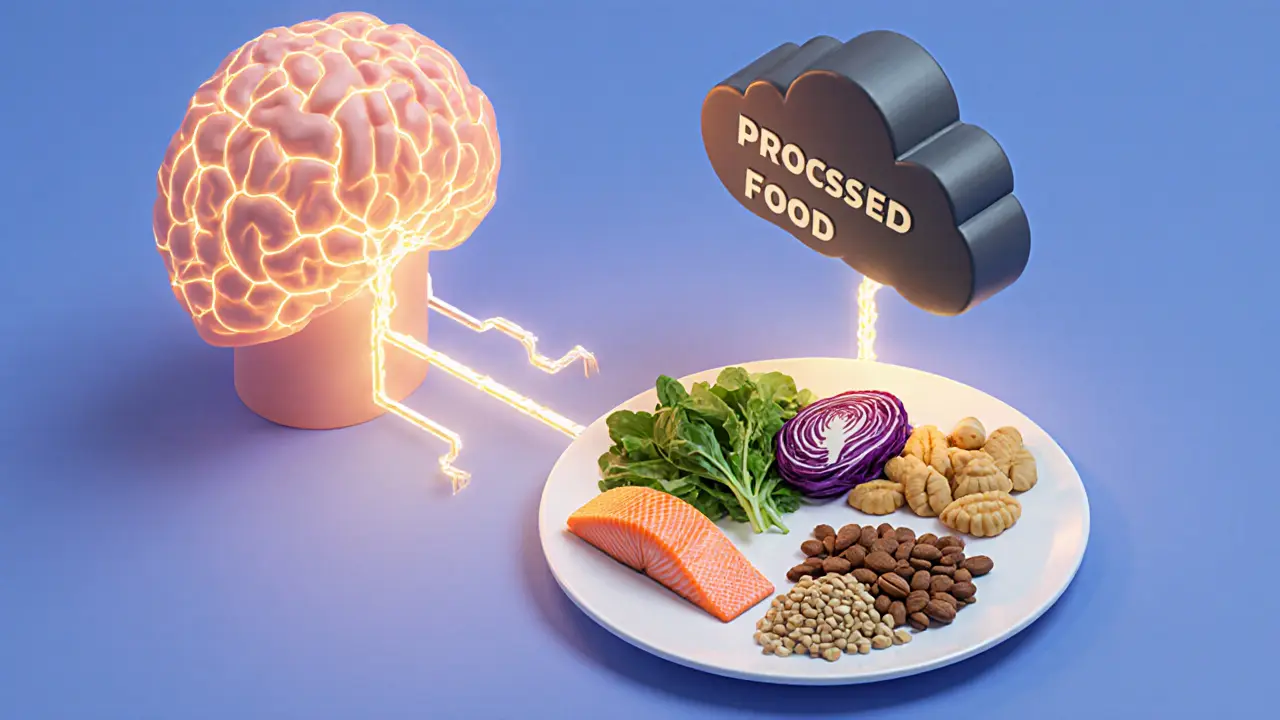
Výživa a duševní zdraví: Jak jídlo ovlivňuje náladu, energii a psychiku
Jak jídlo ovlivňuje náladu, energii a duševní zdraví. Výživa má přímý vliv na produkci serotoninu, stres a úzkost. Zjistěte, co jíst, abyste se cítili lépe.
VÍCE INFORMACÍ