Psychoterapeutické intervence
When working with psychoterapeutické intervence, rozmanité techniky, které pomáhají lidem zvládat duševní potíže a podporují osobní růst. Also known as psychoterapeutické techniky, they form the backbone of modern mental health care. In this context you will also meet psychoedukace, cílené poskytování informací klientům a jejich blízkým, které zvyšuje motivaci a snižuje relaps. Another key player is the trauma‑informed přístup, model, který klade důraz na bezpečí, transparentnost a minimalizaci retraumatizace. We also consider IFS terapie, metodu pracující s vnitřními částmi osobnosti a usilující o jejich harmonizaci, as well as muzikoterapie, použití hudby k podpoře emoční regulace a tělesného uvolnění. Together they illustrate how diverse psychoterapeutické intervence can be, and why choosing the right one matters.
Proč jsou společné faktory klíčové
All psychotherapeutic approaches share a set of core ingredients: a trusting relationship, a safe environment, and active client participation. This is why the společné faktory psychoterapie, jako terapeutický vztah, katarze a motivace, jsou často označovány jako „společná nit“ mezi metodami, matter for every intervention. For example, trauma‑informed care requires a stable therapeutic alliance, while psychoeducation thrives on clear communication. When a therapist blends these shared elements with specific techniques, the result is a more resilient treatment plan that can adapt to anxiety, depression, or personality disorders.
One practical way to see this in action is through the integration of psychoeducation into trauma‑informed work. First, the therapist creates a trauma‑safe space, then delivers targeted information about stress responses, coping strategies, and relapse prevention. This sequential pairing respects the client’s need for safety while empowering them with knowledge—a classic semantic triple: psychoedukace → zvyšuje motivation ← trauma‑informed přístup. Research from Czech clinics shows that clients who receive both report higher adherence and faster symptom reduction.
Internal Family Systems (IFS) adds another layer by addressing the inner “parts” that often carry trauma memories. In practice, a therapist guides the client to notice protective parts, negotiate with them, and invite the “Self” to lead healing. This process aligns with the trauma‑informed principle of avoiding retraumatization, because the client stays in control of the narrative. At the same time, IFS benefits from psychoeducational framing: explaining what “parts” are reduces confusion and builds trust. The three‑way connection—IFS ↔ psychoedukace ↔ trauma‑informed —creates a robust therapeutic loop.
Music might seem unrelated, but it fits neatly into this ecosystem. Muzikoterapie leverages rhythm, melody, and lyric content to regulate affective states. When combined with trauma‑informed safety standards, it can gently access emotions that are hard to articulate. Moreover, the therapist can use psychoeducational moments to explain how specific musical elements influence brain activity, turning an artistic session into a learning experience. This synergy demonstrates another semantic triple: muzikoterapie → podporuje emocionální regulaci ← trauma‑informed přístup.
Choosing the right blend depends on the client’s goals, history, and preferences. If a person struggles with chronic anxiety, a short‑term psychoeducational module paired with CBT techniques may suffice. For complex trauma, a longer trauma‑informed course enhanced by IFS and occasional music sessions can provide depth and variety. Practical tips include: assess safety first, introduce education early, and use creative modalities like music as anchors for emotional processing. This layered approach ensures that each intervention reinforces the others, rather than competing.
Now that you have a clear picture of how these interventions interlock, you’ll see why the articles below dive deep into each method, offer case examples, and provide step‑by‑step guidance. Whether you’re looking for concrete tools or a broader understanding, the collection ahead will help you navigate the world of psychoterapeutických intervencí with confidence.
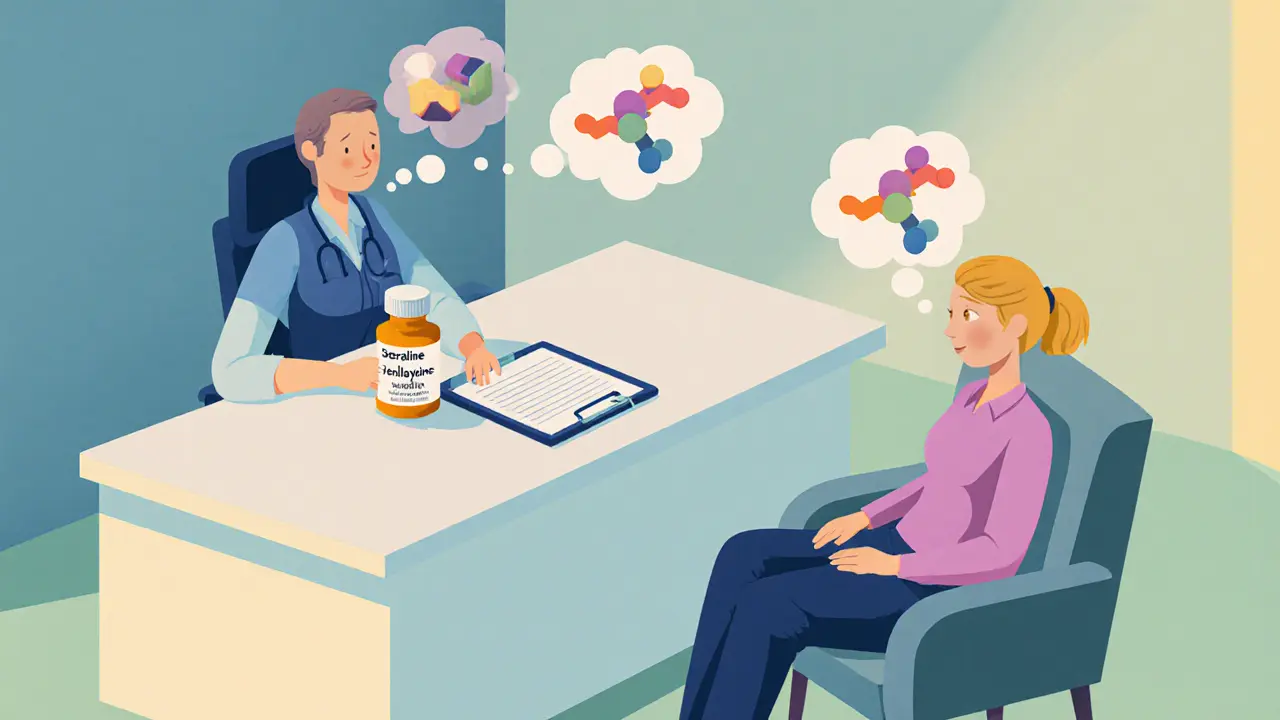
Kombinovaná léčba deprese: kdy a jak spojit antidepresiva s psychoterapií
Zjistěte, kdy a jak kombinovat antidepresiva s psychoterapií, jaké jsou výhody, typy terapie, výběr léků a praktické kroky pro úspěšnou léčbu deprese.
VÍCE INFORMACÍ