Délka léčby v psychoterapii: Kolik času skutečně potřebujete?
When you start psychoterapie, one of the first questions you ask is: délka léčby, časový rámec, ve kterém klient zažívá významnou změnu prostřednictvím terapeutického procesu. Also known as doba terapie, it isn't measured in weeks or months alone—it's shaped by your willingness to look inward, the complexity of what you're carrying, and the quality of the connection you build with your therapist. There’s no magic number. Some people feel lighter after six sessions. Others need a year or more. And that’s okay.
The účinnost terapie, schopnost psychoterapie vést k trvalému zlepšení duševního zdraví a funkcí jedince doesn’t depend on how long you sit in the chair. Research shows it’s the relationship with your therapist that matters most—not the method. A person struggling with chronic emptiness or trauma might need longer, not because they’re broken, but because their pain is deep and layered. Someone dealing with a recent breakup might find clarity in just a few meetings. The terapeutický proces, interaktivní, individuálně přizpůsobená cesta k porozumění sobě a změně chování a myšlení isn’t a factory line. It’s a conversation that unfolds at your pace.
What you won’t find in any guide is a one-size-fits-all timeline. Therapy isn’t a subscription you cancel when you feel ‘better enough.’ It’s a process of peeling back layers—sometimes slowly, sometimes in bursts. If you’re dealing with anxiety, burnout, or relationship patterns that go back decades, expecting a quick fix is like hoping a broken bone heals in a week. It’s not about speed. It’s about safety, consistency, and trust. And yes, that takes time.
Some clients come in thinking they need to ‘fix’ something. But therapy isn’t repair work. It’s about understanding. Understanding why you react the way you do. Why you shut down. Why you keep choosing the same kind of partner. Why you feel empty even when everything looks fine. Those insights don’t arrive on schedule. They come when you’re ready to hear them—and when your therapist knows how to meet you there.
And it’s not just about the sessions. The real work often happens between them. The journaling. The pauses you take before reacting. The conversations you rethink. The moments you choose to be kind to yourself instead of critical. That’s where change sticks. And that’s why some people stay in therapy longer—not because they’re stuck, but because they’re learning to live differently.
In the Czech Republic, most therapists work in flexible timeframes. You don’t sign a contract for 20 sessions upfront. You start with a few, then decide together whether to continue. Some people meet weekly. Others every two weeks. Some pause for months and come back. That’s normal. Your therapy should fit your life, not the other way around.
What you’ll find in the posts below are real stories, clear facts, and honest answers about how long therapy really takes. You’ll learn when short-term help is enough, when deeper work is needed, and what actually moves the needle—not just what’s sold in ads. There’s no rush. You’re not behind. And you don’t have to have all the answers before you start.
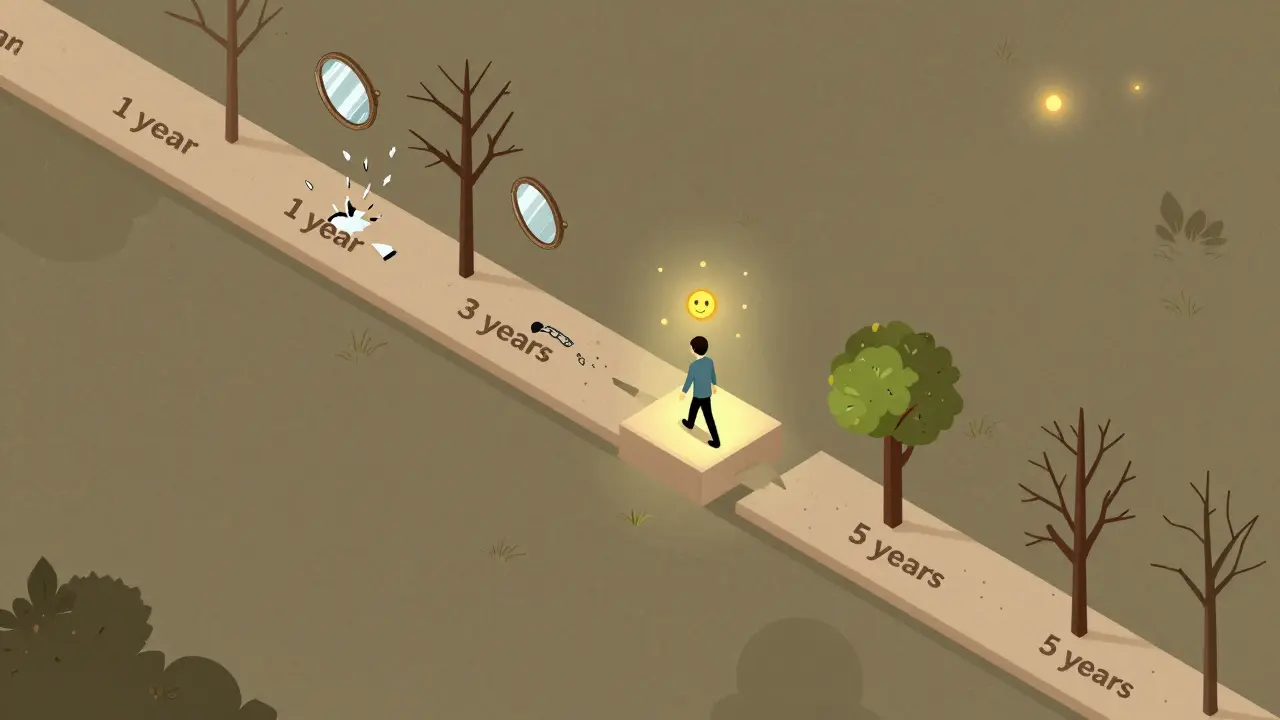
Jak dlouho trvá léčba poruchy osobnosti: Roky, ne měsíce
Léčba poruchy osobnosti trvá roky, ne měsíce. Změny v osobnosti vyžadují dlouhodobou psychoterapii, často DBT, a podporu. Není to rychlé, ale je to možné. Více než 10 let výzkumu potvrzuje, že stabilní život je dosažitelný.
VÍCE INFORMACÍ