Dětská terapie ve škole: Kdy a jak pomoci dítěti v školním prostředí
When a child struggles in school, it’s rarely just about grades or discipline. dětská terapie ve škole, specifický přístup, který podporuje duševní zdraví dítěte v kontextu školního života. Also known as školní psychologie, it isn’t about fixing the child—it’s about understanding the environment, the relationships, and the unspoken pressures that make school feel unsafe. Many kids don’t cry out for help. They just stop raising their hands, start acting out, or withdraw completely. And schools? They’re often stretched too thin to notice the difference between a "bad kid" and a child drowning in emotions they can’t name.
That’s where rodinná terapie, metoda, která nevidí dítě jako problém, ale jako část rodinného systému comes in. A child’s behavior at school often mirrors what’s happening at home—arguments between parents, divorce, financial stress, or even subtle emotional neglect. When therapists work with the whole family, not just the child, changes stick. And when psychoedukace rodičů, vzdělávání rodičů o emocionálních potřebách dítěte a praktických nástrojích pro podporu is part of the process, parents stop blaming themselves or the teacher—and start becoming allies in healing.
It’s not magic. It’s simple: a child who feels heard at home is less likely to explode in class. A child who knows their emotions are normal won’t hide behind silence. And a school that collaborates with a therapist—not just refers to one—creates space for real growth. You don’t need a diagnosis to start. You just need to notice when your child comes home exhausted, angry, or quiet. That’s the signal. Not the behavior itself, but the pain behind it.
What you’ll find in the posts below aren’t theoretical guides. These are real stories from Czech therapists, parents, and teachers who’ve seen it work: how play therapy helps a 7-year-old who won’t speak, how a single conversation with a school psychologist changed a teenager’s entire year, why involving both parents—even if they’re divorced—makes all the difference, and how simple tools like daily check-ins or emotion cards can turn chaos into calm.
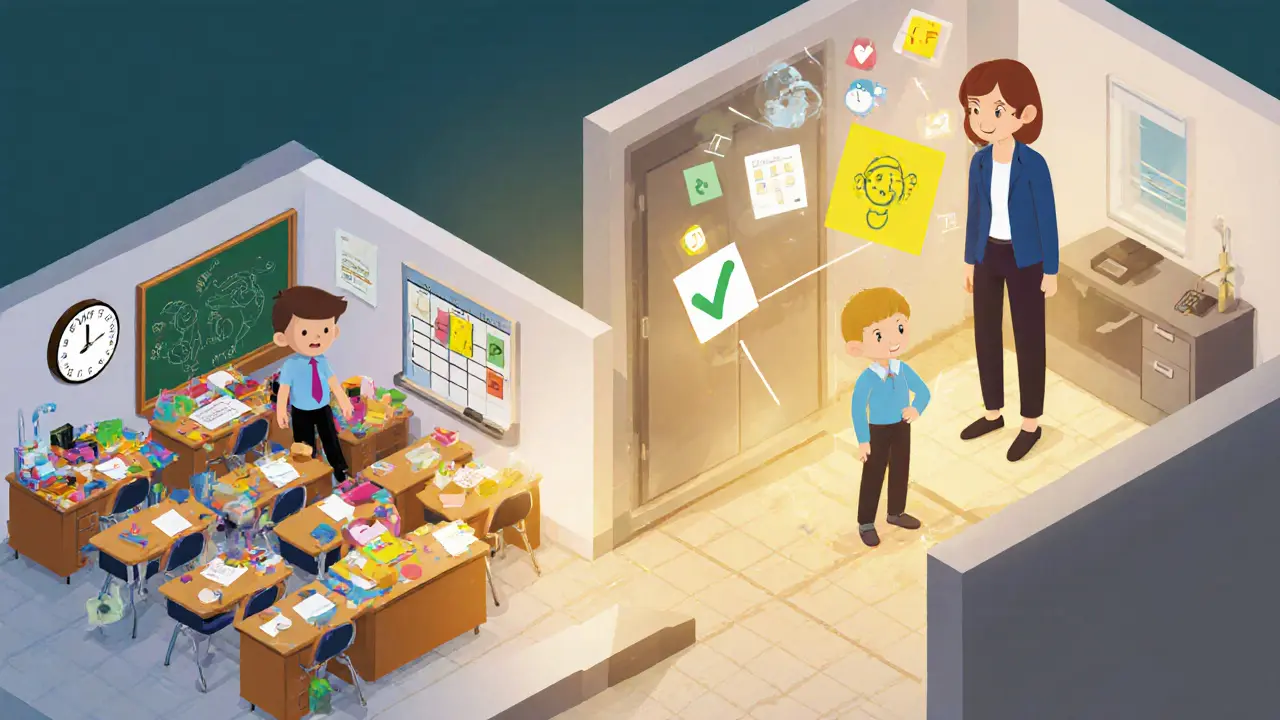
Spolupráce s učiteli v dětské terapii: Jak sjednotit postupy ve škole
Jak sjednotit terapeutické postupy ve škole s vyučováním? Praktické kroky, čísla a reálné příběhy o tom, jak spolupráce mezi učiteli a terapeuty zlepšuje život dětí se speciálními potřebami.
VÍCE INFORMACÍ