Chronická prázdnota: Co to je a jak s ní pracovat v psychoterapii
When you feel empty even when everything seems fine, you’re not broken—you’re responding to something deeper. Chronická prázdnota, trvalý pocit prázdnosti, který přetrvává i při absence jasných důvodů, jako je ztráta nebo krize. Also known as emocionální prázdnota, it’s not depression, but something quieter, more persistent—a voice that whispers, "There’s nothing here," even when your life looks full on the outside. Many people live with it for years, mistaking it for laziness, lack of motivation, or just being "dry" emotionally. But it’s not a character flaw. It’s your inner world signaling that something important was never fully processed, never fully felt, never fully held.
This feeling often connects to úzkost, stálý strach, že něco chybí, že jsi nedostatečný, nebo že kdokoli, kdo tě opravdu zná, tě opustí. It shows up when you’ve learned to numb your needs early in life—maybe because expressing them led to rejection, silence, or control. Over time, you stop asking what you want. You stop noticing what hurts. And then, one day, you realize you’ve been going through the motions for years, and you feel nothing. Not sad. Not angry. Just… empty. This is where psychoterapie, proces, který umožňuje bezpečně vrátit se k těmto skrytým ranám a znovu se spojit se svými skutečnými pocity becomes not just helpful, but necessary. It’s not about filling the void with distractions—new hobbies, relationships, or achievements. It’s about understanding why the void exists in the first place.
People who come to therapy with this feeling often say things like: "I have everything, so why do I feel like nothing?" or "I don’t know who I am outside of what I do." These aren’t vague complaints—they’re clues. Behind chronická prázdnota are often unprocessed trauma, early attachment wounds, or years of living according to someone else’s expectations. Therapy doesn’t promise instant joy. But it gives you space to feel what you’ve been avoiding. To name what you’ve been ignoring. To slowly rebuild a relationship with yourself that’s not based on performance, approval, or survival.
If you’ve been carrying this emptiness for a long time, you’re not alone. And you don’t have to keep pretending it’s fine. The posts below offer real, practical insights—from how to recognize the signs in yourself, to what actually works in therapy, to how people in the Czech Republic are finding their way back to feeling something real again. You’ll find stories about people who felt the same way—and what helped them move forward. Not with quick fixes. But with real change.

Chronické pocity prázdnoty: Jak existenciální psychoterapie pomáhá překonat vnitřní nicotu
Chronická prázdnota není jen smutek - je to hluboký existenciální výzva. Zjistěte, jak existenciální psychoterapie pomáhá lidem s hraniční poruchou osobnosti přeměnit vnitřní nicotu na cestu k autentickému bytí.
VÍCE INFORMACÍ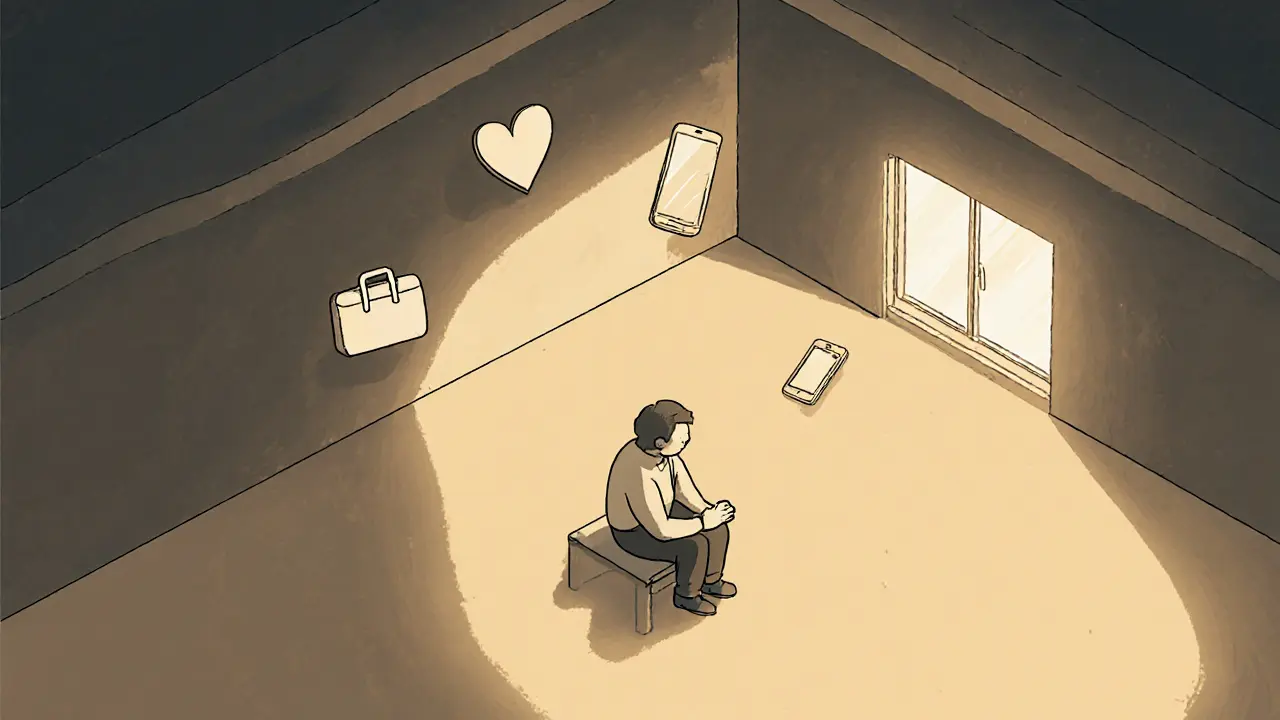
Chronické pocity prázdnoty: Jak existenciální psychoterapie pomáhá překonat hlubokou nicotu
Chronická prázdnota není jen smutek - je hluboký existenciální pocit nicoty, často spojený s hraniční poruchou osobnosti. Existenciální psychoterapie pomáhá přeměnit tuto prázdnotu v cestu k autentické identitě - bez náhrad a falešných řešení.
VÍCE INFORMACÍ